
مقصد · Maqsid
Visa
معتمد
The driver's iqama and the season visa on the employee file.
IQM-2048193 · 15/04/2027
Maqsid is for passenger transport companies. The trip, the bus, the employee file, and the accounts sit in one place. A Hajj or Umrah season is switched on for the company that runs one.
Today’s board
Umrah season
24 · 07 · 12
Voucher MK-184 · Draft
One order can produce several trips. The trip closes before the invoice is issued.
The request records the group size, the hotel, and the pickup time.
A bus, a driver, and a supervisor are assigned. An expired license stops the assignment.
The trip runs. Stops, replacements, and delays stay on the movement log.
Issues are closed. The voucher and the manifest are ready to print.
The order becomes an invoice, a receipt, and a journal entry.
The spreadsheet, the paper voucher, WhatsApp, the employee file, and the ledger arrive on one screen.
Maqsid

The season, the trip, and the employee file on one line.

Umrah
Programs, hotels, and airport trips.
Hajj
Hajj contracts, Mina, and the movement.
General transport
Daily lines outside the season.
Visa
Iqama and visa details on the file.
Contract
The employment contract and the wage.
Leave
The request and the balance.
Payroll
The run and the voucher.
End of service
Settlement and clearance.
The driver is assigned automatically when the bus and the license are clear.
Buses on the Makkah road: Jeddah airport, Al Noor Hotel, the depot, and the Haram.
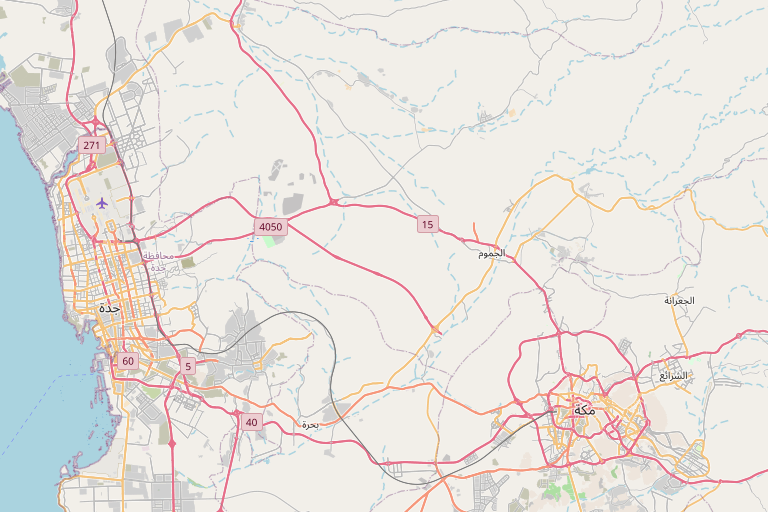
Map © OpenStreetMap
Jeddah airportMK-184 has left the airport for the hotel
Revenue comes in from the line and the invoice. Cost goes out through fuel, the workshop, and payroll. The report holds both.
Profit and loss
Sample report
The visa, the contract, the voucher, and the registration, in a file you can open.

مقصد · Maqsid
معتمد
The driver's iqama and the season visa on the employee file.
IQM-2048193 · 15/04/2027
A trip does not move on an expired paper. The invoice reaches the authority. The log stays.
Trip gate
License, registration, and insurance stop dispatch when they expire.
VAT
The VAT return and its review, from the ledger.
ZATCA
The e-invoice is sent to the Zakat, Tax and Customs Authority.
Nitaqat
The company band is calculated from the employee files.
Audit log
Every action is added to the log and kept.
Assets
Fixed assets and depreciation sit in the books.
Spreadsheets, WhatsApp, banks, ZATCA, and the company API.
Spreadsheet import
Bring vehicles, employees, and trips in from a file.
WhatsApp numbers and outbound messages on the company record.
Banks
Accounts, transfers, and reconciliation.
ZATCA
Sending the e-invoice.
API
The company API connects its own systems to Maqsid.
1
We read the request
Fleet size, season, and branches.
2
We agree the scope
Operations, people, accounts, and the Hajj and Umrah pack.
3
We open the account
The company account on the app.
Six modules, in the order an operations team works.
The board shows what is late, what is blocked, and what still needs a bus.
Trips
MK-184 · Jeddah airport
MK-190 · Makkah to Mina
MK-203 · Waiting for assignment
A bus does not leave if the license, registration, or insurance has expired.
Bus 12
RegistrationExpired
The customer contract stays with the customer. Hotels and Hajj programs open with the Hajj and Umrah pack.
Al Noor Hotel
12 of 40 rooms occupied
Seasonal crew and permanent staff share one file, from the iqama to the payroll run.
Ramadan run
Ready for approval
An order becomes an invoice, a receipt, and a journal entry without a separate accounting system.
Transport entry
Debit: receivables · Credit: transport revenue
Each company has its own branches, its own roles, and an audit log that is not deleted.
Roles
Operations supervisor
Accountant
For the company that runs the trip, the people, and the accounts together.
Maqsid keeps dispatch, the fleet map, and the accounts in one company account.
Operations, workforce, accounting, and the Hajj and Umrah pack are switched on per company. The quote is set from fleet size, branches, and the season you run.
Request a demoDispatch, the fleet and workshop, contracts, hotels, employee files, payroll, and accounting, in one company account.
Each company gets the modules it runs: operations, workforce, accounting, or the Hajj and Umrah pack on top of operations. The rest stays off.
Yes. Arabic is the default and runs right to left. English is on the same screens.
At app.maqsid.net, with the company account.
Yes. The fleet map follows buses on the route between the airport, the hotel, and the Haram.
Yes. The ledger issues the e-invoice and sends it to ZATCA.
Write what the company runs. We reply to the work email you enter.